January 15,2026
10 Crucial Things to Know About Scissor Lifts
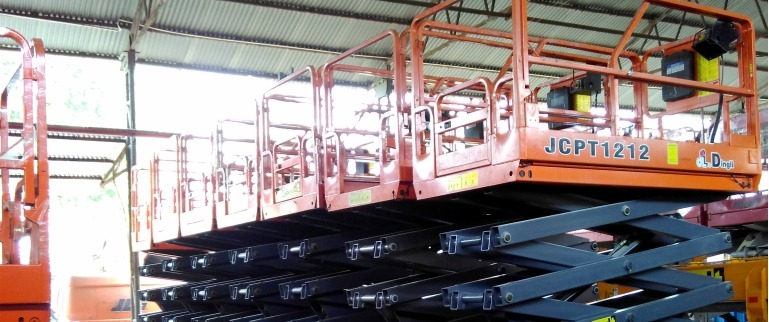
1. What is a Scissor Lift?
A scissor lift is an aerial work platform that allows workers to safely and efficiently reach high places. Unlike boom lifts, scissor lifts move vertically through a folding support system in a crisscross or “scissor” mechanism, providing a stable platform for workers and their equipment.
2. What is a Scissor Lift Used For?
Scissor lifts are widely used across multiple industries for elevated access tasks, including:
- Construction: Installing windows, siding, and roofing
- Maintenance: Lighting replacement, cleaning, and building repairs
- Warehousing: Accessing high storage racks and inventory management
- Retail: Installing signage, displays, and decorations
- Manufacturing: Assembly line access and machinery maintenance
3. Types of Scissor Lifts
Different types of scissor lifts are designed for specific working environments:
- Electric Scissor Lifts: Ideal for indoor use due to quiet operation and zero emissions. Suitable for confined spaces and indoor maintenance tasks.
- Rough Terrain Scissor Lifts: Designed for outdoor use on uneven surfaces, featuring heavy-duty tyres and powerful engines.
- Hydraulic Scissor Lifts: Operated through hydraulic systems, easy to use, and suitable for both indoor and outdoor applications.
- Diesel Scissor Lifts: Known for high load capacity and outdoor performance, commonly used in construction and heavy-duty maintenance.
4. How High Can a Scissor Lift Go?
Scissor lifts are available in various working heights, typically ranging from 5 meters to over 37 meters. Selecting the right lift depends on your required working height and site conditions.
5. How Much Weight Can a Scissor Lift Hold?
Load capacity varies depending on the model and type. Most scissor lifts can support between 500 to 2,500 pounds. Always refer to manufacturer specifications to ensure safe operation.
6. Safety Features of a Scissor Lift
- Guardrails to prevent falls
- Emergency stop buttons for immediate shutdown
- Tilt sensors to detect uneven surfaces
- Overload protection systems
- Safety harness attachment points
7. How Do You Operate a Scissor Lift?
- Inspection: Conduct a pre-use inspection for damage or faults
- Training: Ensure the operator is trained and certified
- Setup: Position the lift on a level and stable surface
- Controls: Understand the control panel and emergency stop
- Operation: Raise and lower the platform smoothly
- Safety Gear: Use appropriate PPE and harnesses where required
8. How Do You Maintain a Scissor Lift?
- Daily and periodic inspections
- Lubrication of moving components
- Battery checks for electric scissor lifts
- Hydraulic fluid level and leak inspection
- Tyre and wheel condition checks
9. How to Choose the Right Scissor Lift
- Required working height
- Load capacity
- Indoor or outdoor environment
- Frequency of use (rental vs purchase)
- Mobility requirements
10. Slab vs Rough-Terrain Scissor Lifts
Slab Scissor Lifts: Best for indoor or smooth surfaces, usually electric-powered and commonly used in warehouses and commercial buildings.
Rough-Terrain Scissor Lifts: Designed for outdoor applications on uneven ground, typically diesel-powered and suitable for construction sites.
Conclusion
Scissor lifts are essential access solutions for a wide range of industries. By understanding lift types, safety features, load capacity, and operating requirements, you can select the right scissor lift for your project while ensuring safety and efficiency at height.
FAQ's
1. Is a scissor lift suitable for indoor use?
Yes. Electric scissor lifts are specifically designed for indoor environments as they produce no emissions and operate quietly on smooth surfaces.
2. Can scissor lifts be used outdoors?
Yes. Rough-terrain and diesel scissor lifts are built for outdoor use and can operate safely on uneven or rugged ground.
3. What training is required to operate a scissor lift?
Operators should be properly trained and certified to ensure safe handling, correct operation, and compliance with safety regulations.
4. Are scissor lifts safe to use?
Yes, when operated correctly. Scissor lifts are equipped with safety features such as guardrails, tilt sensors, emergency stop buttons, and overload protection.
5. Should I rent or buy a scissor lift?
Renting is cost-effective for short-term or occasional use, while purchasing is suitable for long-term and frequent operational needs.