February 24,2026
What Is a Horizontal Lifeline System, and Where Is It Used?
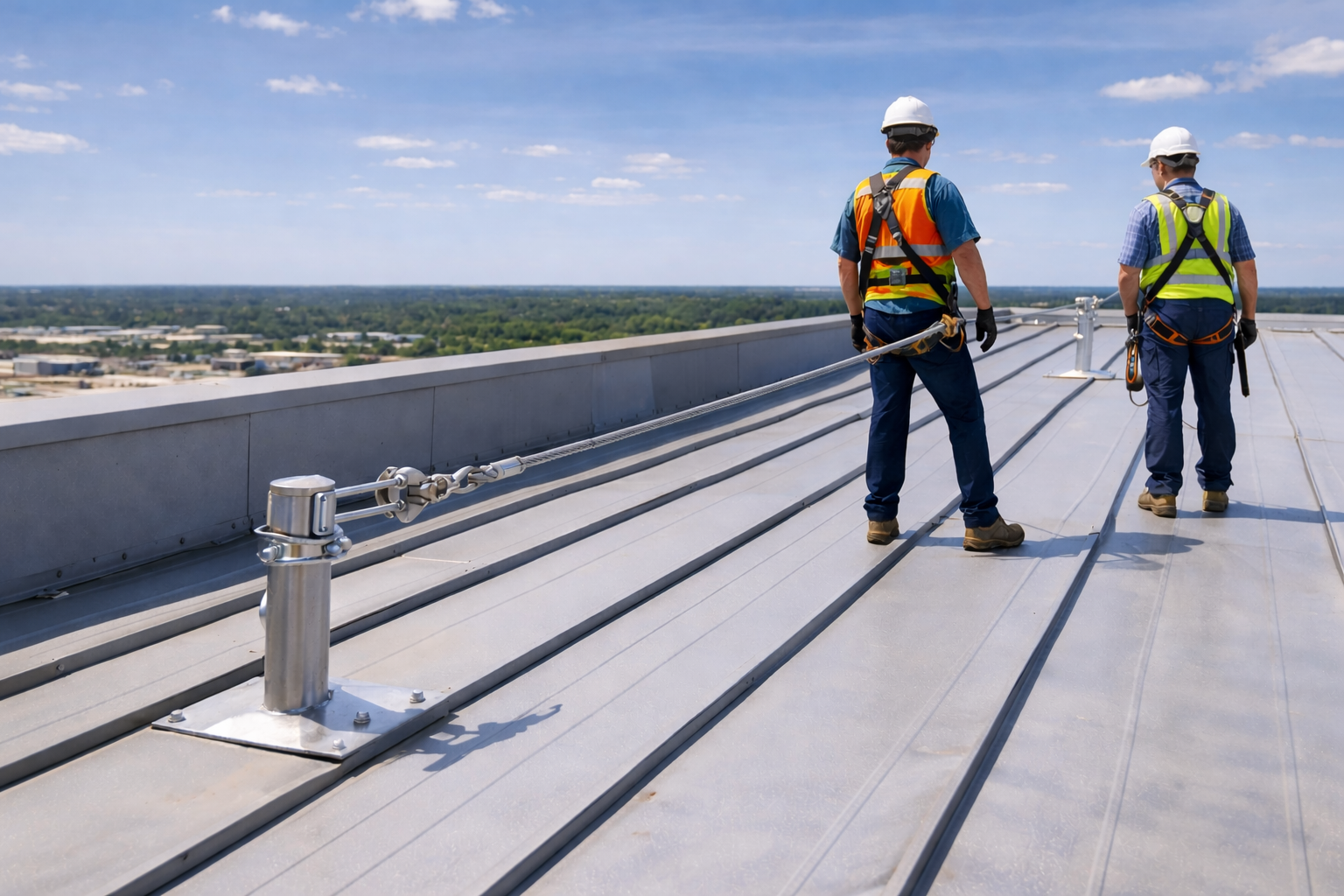
A horizontal lifeline system is a fall protection solution that allows workers to move safely along a horizontal path while remaining continuously anchored. Commonly used on rooftops, structures, and industrial sites, EN-certified lifeline systems help prevent falls and ensure compliance with work-at-height safety standards.
What Is a Horizontal Lifeline System?
A horizontal lifeline system is a fall protection lifeline system consisting of an anchored cable or rail installed horizontally. It allows workers to move freely along edges, rooftops, or structures while remaining securely connected at all times.
These systems are essential wherever continuous movement at height is required.
Why Is a Horizontal Lifeline Important for Work at Height?
A horizontal safety lifeline ensures:
- Continuous fall protection without disconnecting
- Reduced fall risk along long work areas
- Compliance with height safety regulations
- Increased worker confidence and productivity
This makes it a critical horizontal lifeline fall protection system for modern job sites.
Where Are Horizontal Lifeline Systems Commonly Used?
Horizontal lifeline systems are widely installed in:
- Rooftops & terrace maintenance
- Industrial plants & factories
- Warehouses & logistics facilities
- Bridges & infrastructure projects
- Airports, malls, and commercial buildings
A horizontal roof lifeline system is especially common for façade cleaning and rooftop maintenance.
What Are the Main Components of a Horizontal Lifeline System?
A standard horizontal lifeline fall arrest system includes:
- Horizontal lifeline cable or rail
- Horizontal lifeline anchors
- Energy absorbers
- End and intermediate supports
- Compatible harness and connectors
Each component plays a vital role in fall arrest and load distribution.
How Does a Horizontal Fall Arrest System Work?
In the event of a slip or fall, the horizontal fall arrester engages instantly, absorbing energy and preventing the worker from hitting lower levels. This controlled arrest reduces injury risk and structural load impact.
What Are Horizontal Lifeline Compliance Standards?
Horizontal lifeline compliance standards typically include:
- EN 795 & EN 353 standards
- Site-specific risk assessment
- Proper anchor load calculations
- Certified installation and inspection
Using EN-certified lifeline systems ensures regulatory compliance and maximum safety.
Roof Lifeline System vs Other Fall Protection Solutions
Compared to single-point anchors, a roof lifeline system allows:
- Longer movement range
- Continuous tie-off
- Reduced need for multiple anchor points
This makes lifeline horizontal systems ideal for large rooftops and long-span structures.
Why Choose Horizontal Lifeline Systems for Continuous Movement?
A horizontal lifeline fall protection system is ideal when:
- Workers need to move along edges or long paths
- Multiple users require simultaneous access
- Safety and productivity must go hand-in-hand
It is one of the most effective safety lifeline systems available.
Need Horizontal Lifeline Systems for Your Site?
Choose a trusted provider of horizontal lifeline systems to get certified design, installation, and inspection support tailored to your site conditions.
Conclusion
Horizontal lifeline systems provide reliable fall protection for workers who need continuous movement at height. By using EN-certified horizontal lifeline fall protection systems, organizations can improve safety, ensure compliance, and reduce fall-related risks across rooftops, industrial sites, and infrastructure projects.
FAQs
1. What is a horizontal lifeline system used for?
It is used to provide continuous fall protection for workers moving horizontally at height.
2. Is a horizontal lifeline suitable for rooftops?
Yes. Rooftop horizontal lifeline systems are commonly used for maintenance and façade access.
3. Are horizontal lifeline systems compliant with safety standards?
Yes, when installed correctly, they comply with EN-certified lifeline standards.
4. Can multiple users use a horizontal lifeline system?
Yes. Many systems are designed to support multiple users simultaneously.
5. How often should horizontal lifeline systems be inspected?
They should be inspected regularly and after any fall event, as per safety regulations.