February 26,2026
What Is a Vertical Lifeline System – Safe Vertical Movement at Height
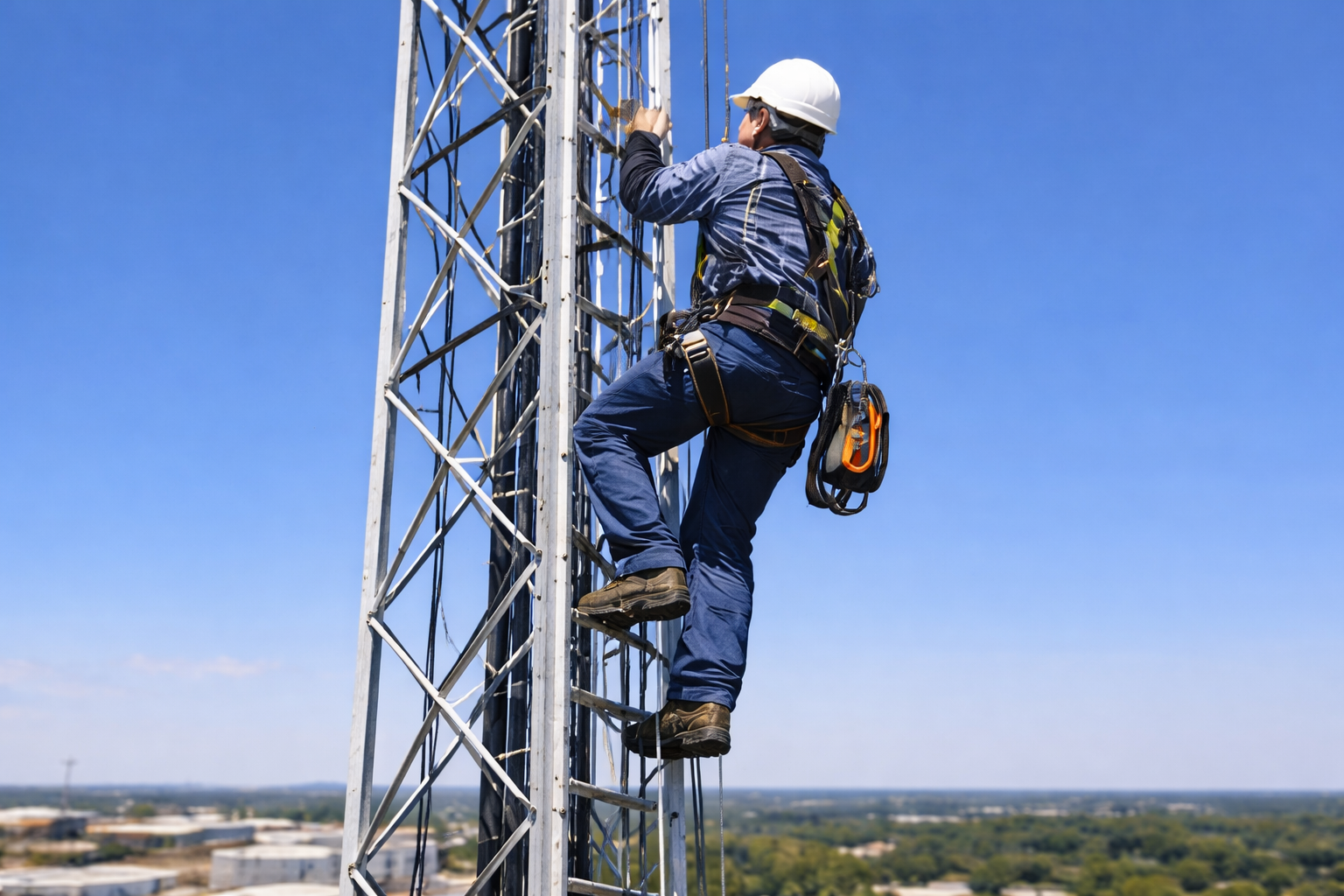
A vertical lifeline system provides continuous fall protection for workers moving vertically on ladders, towers, or structures. Using guided fall arrest mechanisms, these systems reduce fall risk, ensure compliance with safety standards, and enable safe movement at height across industrial and construction environments.
What Is a Vertical Lifeline System?
A vertical lifeline system is a fall protection solution designed to protect workers while climbing or descending vertically. Installed on ladders, towers, chimneys, and fixed structures, it keeps the user continuously connected during ascent and descent.
Also known as a vertical fall arrester system, it is a critical component of modern vertical fall protection systems.
Why Is a Vertical Lifeline System Important for Work at Height?
Working vertically presents high fall risk. A fall arrest lifeline:
- Provides continuous protection during vertical movement
- Reduces the risk of serious injury from falls
- Improves worker confidence and productivity
- Helps meet height safety regulations
This makes vertical lifeline systems essential for high-risk access areas.
Where Are Vertical Lifeline Systems Commonly Used?
Vertical lifeline systems are widely installed on:
- Fixed ladders
- Towers and masts
- Chimneys and silos
- Wind turbines
- Industrial plants and infrastructure
A ladder lifeline system is one of the most common applications.
How Does a Vertical Fall Arrest System Work?
A vertical fall arrest system uses a guided fall arrester attached to a rigid rail or flexible cable. If the user slips, the device locks instantly, stopping the fall within a short distance and minimizing injury risk.
These are often referred to as guided fall arrest systems.
Main Types of Vertical Lifeline Systems
1. Vertical Fall Arrest Rail System
Uses a rigid rail for smooth and controlled climbing.
Best for: Towers, chimneys, and fixed ladders with frequent use.
2. Vertical Fall Arrest Cable System
Uses a flexible steel cable for vertical movement.
Best for: Industrial ladders and retrofitting existing structures.
Vertical Lifeline Safety Requirements
- EN-compliant fall arrest devices
- Proper anchor strength and load capacity
- Certified installation
- Regular inspection and maintenance
- User training and compatible PPE
Compliance ensures safe and reliable operation.
Vertical Lifeline System vs Traditional Fall Protection
Compared to harness-only systems, vertical lifeline systems offer:
- Continuous protection without disconnecting
- Faster and safer climbing
- Reduced fatigue and fall risk
This makes them a preferred vertical fall protection system for permanent access routes.
Who Should Install a Vertical Lifeline System?
Vertical lifeline systems should be designed and installed by trained professionals who can assess site risks, structure strength, and user requirements to ensure compliance and safety.
Do You Need a Vertical Lifeline System for Your Site?
Choose a certified provider of vertical lifeline systems to ensure safe vertical access, regulatory compliance, and long-term fall protection for your workforce.
Conclusion
Vertical lifeline systems play a vital role in protecting workers during vertical movement at height. By implementing compliant fall arrest lifeline systems and guided fall arrest solutions, organizations can significantly reduce fall risks while ensuring safety, compliance, and operational efficiency.
Frequently Asked Questions
1. What is a vertical lifeline system used for?
It is used to protect workers from falls while climbing or descending vertically.
2. Is a vertical lifeline system mandatory on fixed ladders?
In many industries, vertical lifeline systems are required for ladders above a certain height.
3. What is the difference between cable and rail lifeline systems?
Cable systems are flexible, while rail systems provide rigid, guided protection.
4. Are vertical lifeline systems compliant with safety standards?
Yes, when properly installed, they comply with EN-certified fall protection standards.
5. How often should vertical lifeline systems be inspected?
They should be inspected periodically and after any fall event.